Defined scope
One defined decision or workflow, with a baseline, representative evaluation set and agreed success and stop criteria.
Service
A focused, system-independent pilot for computer vision, sensor and time-series analysis, knowledge retrieval, document extraction, classification, forecasting or decision support. The work starts with the real workflow and a baseline, then evaluates performance, failure modes, ownership and integration—not just whether a demo looks impressive.
Your work package
One defined decision or workflow, with a baseline, representative evaluation set and agreed success and stop criteria.
Run the agreed evaluation against the baseline, expose difficult cases and failure modes, and document whether to continue, narrow the scope or stop. A negative result can fulfil the pilot.
The result is an evaluated pilot, not an automatic production release. Hardening, live integration, operational monitoring and support are scoped after the evidence is reviewed.
Typical starting points
The service is useful when the issue is specific enough to inspect in real systems, reports, data samples or daily workflows.
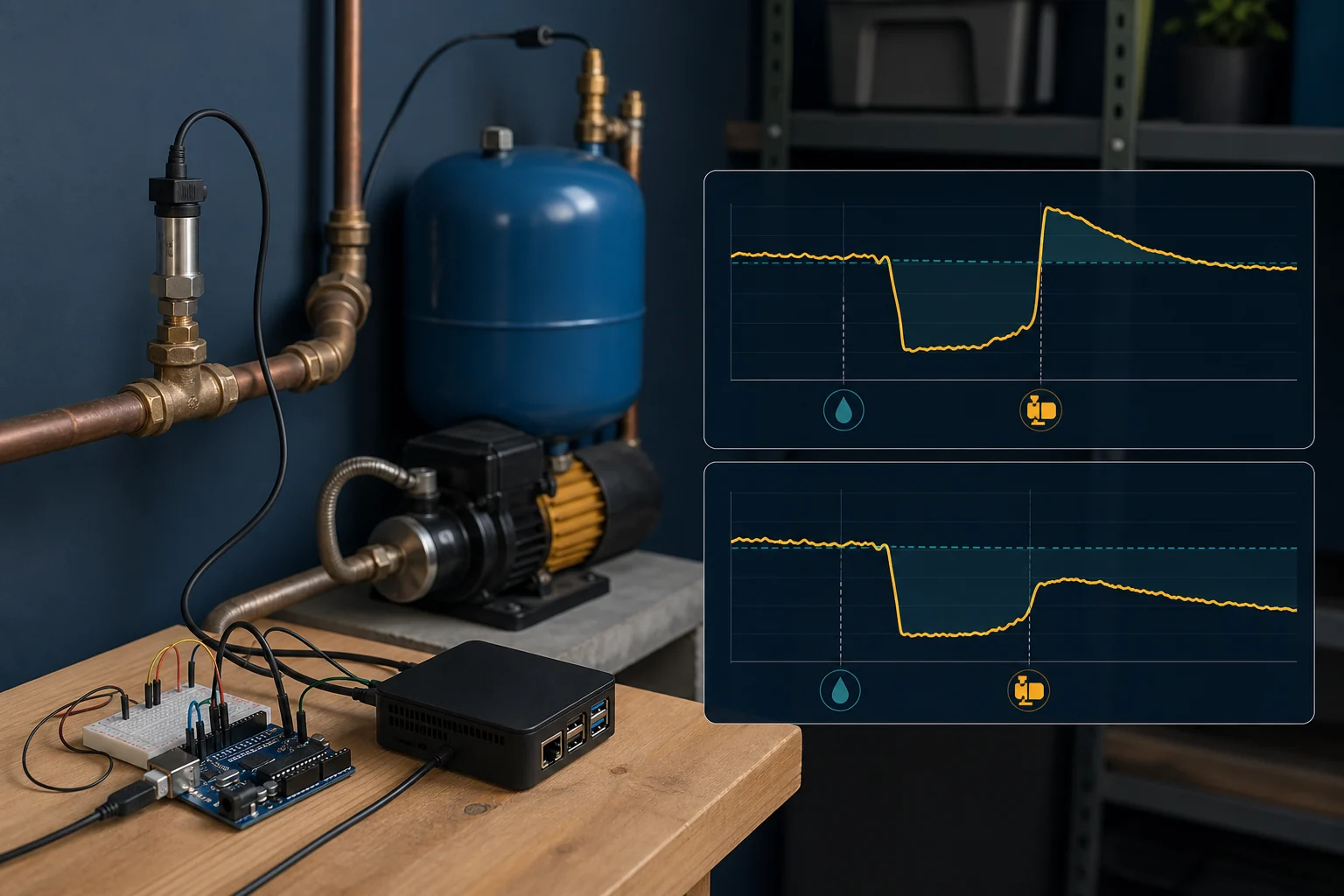
Labelled pressure histories establish what normal demand and pump starts look like. The pilot then measures whether smaller, persistent deviations can be detected early without creating an unusable false-alarm rate.
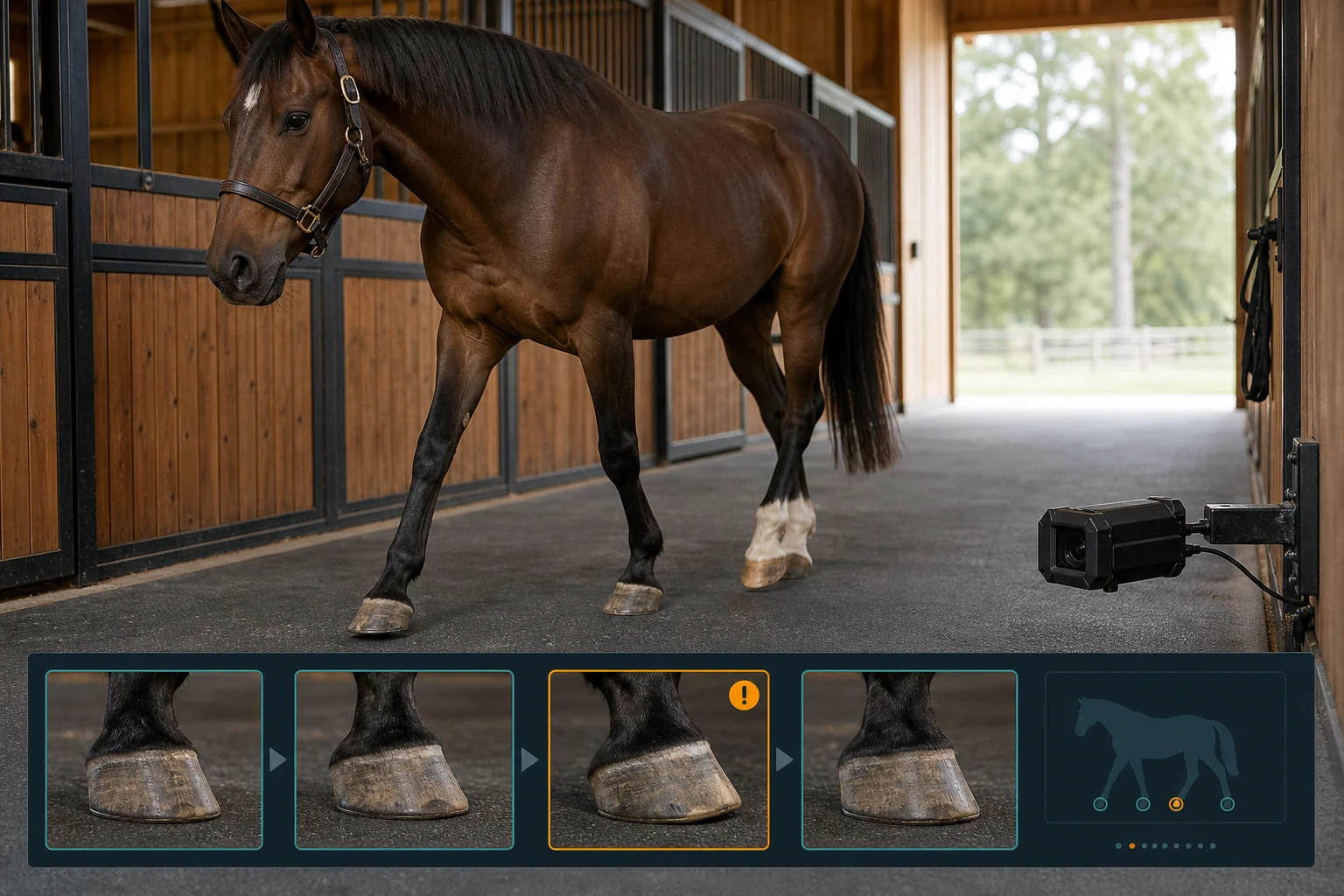
The pilot defines usable camera positions, image quality and visible review criteria before evaluating detection performance. Uncertain or safety-relevant findings remain with a qualified human reviewer.
Representative requests are used to measure routing quality by category, language and difficult edge cases. Low-confidence items go to a review queue instead of being sent automatically.
A clear target schema and field-level evidence make extraction testable. Messy layouts, missing values and conflicting content are included so uncertain results can be flagged rather than silently accepted.
Retrieval is tested for source coverage, permissions, traceable context and the ability to abstain. The assistant should support a decision without presenting unsupported text as operational fact.
Historical data is split in time and compared with a simple baseline. Evaluation covers drift, false alarms and operational lead time before forecasting or anomaly detection is considered useful.

Applied AI & ML projects
The examples range from pressure and camera data to EAM log analysis, text assistance, Excel and score-based scheduling. The two physical projects are shown in more detail.
Time-series machine learning
Normal water use lowered the line pressure until the pump restarted and restored it. The challenge was to distinguish that expected cycle from the slower, persistent pressure patterns associated with smaller leaks.
A model alert was intended to prompt an inspection, not replace verification of the pipework.
Self-initiated project · still active · now used in a slightly adapted form
Computer vision
A low-mounted camera captured horses’ hooves as they passed through a barn walkway. The system analysed the captured hoof regions and surfaced visible irregularities or possible signs of injury for human review.
Screening support only. A flagged image is not a veterinary diagnosis and always requires a qualified human assessment.
The video shows the early test setup before the camera was permanently installed.
Self-initiated project · still active · now used in a slightly adapted form
More applied AI
These projects show how AI and data-based recommendations can be integrated into existing tools without turning every use case into a separate platform.
EAM · AI-assisted log analysis
Attune EAM log files are read automatically and relevant entries are presented as dashboard hints for further investigation.
EAM · text assistance
A lightweight AI assistant improves short descriptions and notes directly inside EAM and returns a clearer wording suggestion.
Excel · AI agent
The AI agent is integrated into an Excel task pane and provides assistance without leaving the workbook. It remains in use and is continuously improved.
In use · continuously improved
Watch the Excel AI agent demo (opens YouTube in a new window)EAM · decision support
For possible employee and task assignments, the system calculates scores from defined criteria and recommends a suitable match in HxGN EAM.
Scope and deliverables
The scope stays close to the systems, data and workflows that affect day-to-day work. The deliverables are designed to support a clear next decision.
How it works
A defined sequence keeps the work focused. Representative examples and access to the right owners make the review faster and more reliable.
Define the workflow, decision, baseline and stop criteria
Prepare representative data or documents and a test set
Build the smallest useful pilot
Evaluate normal, difficult and failure cases
Document guardrails, ownership and integration options
Decide whether to harden, integrate, reshape or stop
Fit and boundaries
A focused scope makes the work easier to evaluate, deliver and hand over.
Related services
Operational problems can cross system, data, interface, workflow and AI/ML boundaries. These services are often relevant together, but each can also stand alone.
Bring the current workflow or problem, a few representative examples and the business context. The first step is to decide what is worth changing, testing or leaving alone.